

DesignWorkShop, Architects in Guanacaste, Costa Rica
How to Choose an Architect in Guanacaste, Costa Rica
Choosing an architect means finding a team you can trust with decisions that will shape your property and the way you experience it. Beyond an attractive design, you need clear communication, a thoughtful process and an understanding of your priorities.
If you are wondering how to choose an architect in Guanacaste, start by looking beyond project photographs. Consider how each firm approaches the site, explains its services and connects design ideas with practical requirements.
Whether you are planning a permanent home, a vacation property or a commercial space, the first conversations can reveal a great deal about the working relationship ahead. The following questions will help you compare your options and prepare for a productive first meeting.
Define Your Priorities Before Comparing Architects
Before contacting an architecture firm, write a short description of what you want to achieve. You do not need a finished design brief. Begin with the people who will use the property and the activities it should support.
Think about what works in your current spaces and what you would change. Perhaps you want greater privacy, easier access to outdoor areas or a more comfortable arrangement for visiting family.
These observations help an architect understand the purpose behind your project.
Separate Essential Needs from Preferences
Identify what the project must achieve and where you are open to alternatives.
Comfortable circulation might be essential, while a particular finish could remain flexible. Sharing that distinction gives the team a clearer basis for exploring solutions and discussing budget priorities.
Bring design references, but explain what attracts you to each one: the atmosphere, proportions, materials or connection to the landscape.
Review the Portfolio Beyond Visual Style
A portfolio introduces a firm’s architectural approach, but photographs tell only part of the story.
Ask about the needs behind each project, the characteristics of the property and the services the firm provided. Was the team responsible for design, construction, inspections or a combination of services?
Distinguish completed buildings from projects under construction and architectural visualizations. Each can offer useful information, but they represent different stages of development.
Ask About the Decisions Behind the Design
Useful questions include:
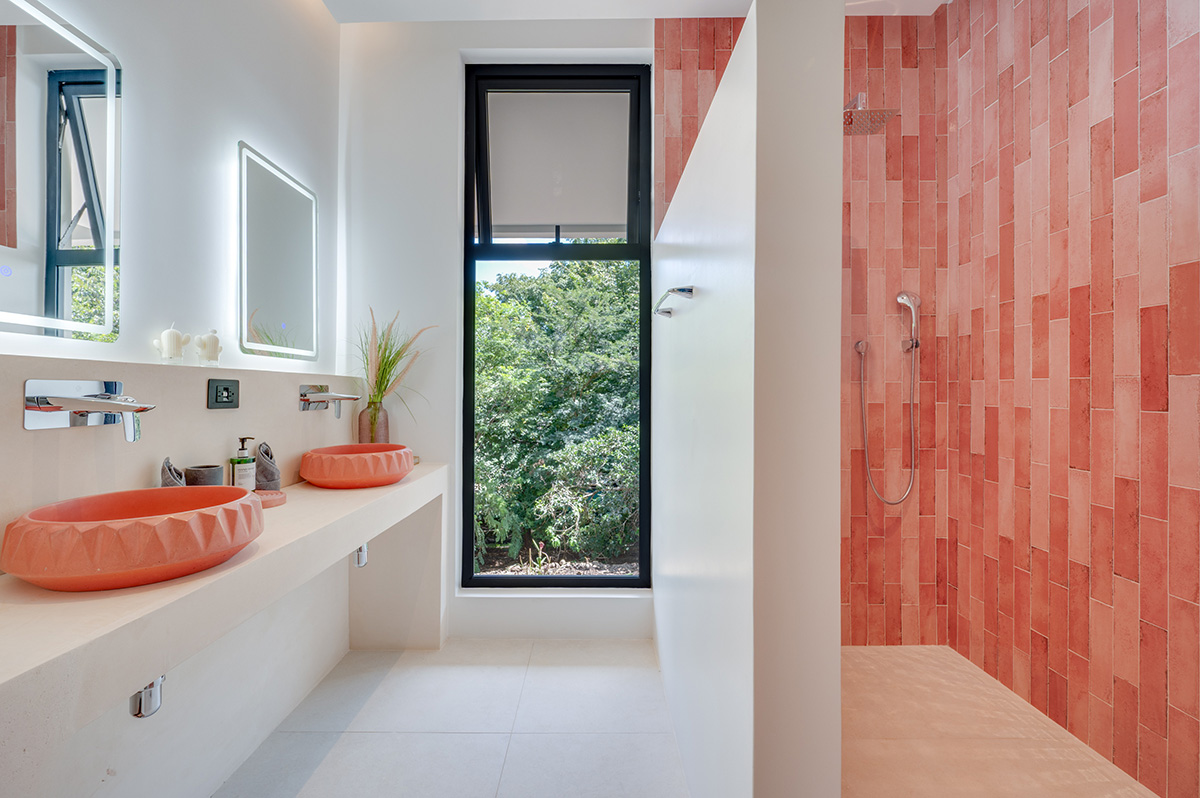
- Why were the main living areas positioned there?
- How were privacy and views balanced?
- What influenced the connection between indoor and outdoor spaces?
- Which site conditions shaped the proposal?
The answers help you understand how the team thinks and whether its approach suits your expectations.
Ask How the Architect Approaches Your Property
Architecture in Guanacaste should respond to the specific setting. A coastal property, an exposed hillside and a sheltered inland site may call for different decisions.
Ask how the architect reviews orientation, topography, access, neighboring properties and available site information. Find out which questions can be explored initially and which require additional studies or specialist advice.
A helpful discussion distinguishes confirmed information from assumptions.
Why It Matters to Choose an Architect Who Lives in Guanacaste
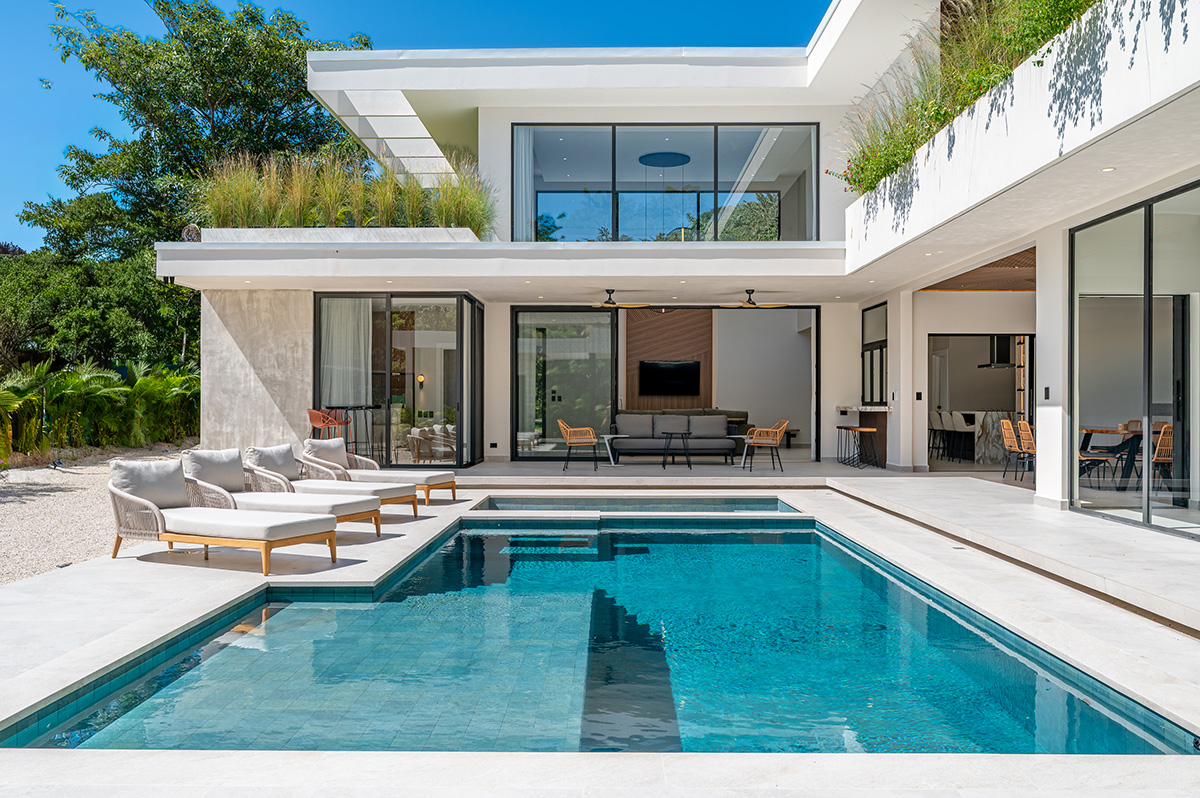
When choosing an architect in Guanacaste, ask whether they live in the area. An architect who lives locally experiences the region through the dry and rainy seasons and sees how buildings, materials, and outdoor spaces respond over time. They can bring those observations into conversations about which locally available materials suit your project, how those materials age, and what maintenance they may need.
Living in the area also means getting to know the landscape through daily life. The shade of an existing tree might make it a natural place for a terrace, while the way rain moves across a sloping site can help guide where to place paths and entrances. During your first meeting, ask the architect to share an example of how local materials or the natural features of a site shaped one of their projects.
Consider Everyday Comfort Alongside Views
An appealing view is valuable, but comfort also depends on how spaces are used throughout the day.
Discuss sunlight, shade, ventilation and privacy. Explain where you expect to spend time, which rooms need quiet and how you want to enjoy outdoor areas.
This gives the architect a more complete picture than a preferred style alone.
Understand What the Architectural Proposal Includes
When comparing architects in Guanacaste, make sure you are comparing equivalent services.
Architectural design, construction, project management and inspections involve different responsibilities. Their inclusion should be clearly stated rather than assumed.
Ask which stages are covered, what deliverables you will receive and what information you need to provide.
Clarify Revisions and Additional Work
Find out how feedback is incorporated and what happens when you request changes after a stage has been approved.
A proposal should explain how additional services are discussed and agreed upon. This makes it easier to understand the relationship between your decisions and the work required.
Clear expectations support a more constructive working relationship.
Compare Scope Before Comparing Fees
A lower fee does not necessarily represent the same service at a better price.
Before comparing figures, review the stages, deliverables, exclusions and responsibilities in each proposal. Ask whether meetings, site-related services and coordination are included or proposed separately.
Also review how payments relate to the work.
If something is unclear, request an explanation before proceeding. A well-defined proposal should help you understand what you are appointing the firm to do and where other professionals may be involved.
Have an Open Conversation About Budget
Sharing a realistic budget range helps the architect understand your priorities and the scale you are considering.
Explain what that budget is intended to cover. Are you thinking about the building alone, or are there other elements you expect to include?
At an early stage, some cost expectations will depend on information that is still being developed. Ask how they will be reviewed as the design becomes more detailed.
Discuss how changes are evaluated, too. Increasing an area or choosing a different material can affect several parts of a project.
Choose a Team You Can Communicate With
You should feel comfortable asking questions, explaining concerns and discussing alternatives.
Notice whether the architect listens carefully and explains decisions in language you understand. Ask who your main contact will be and how feedback and approvals are recorded.
If you live outside Costa Rica, discuss remote communication arrangements from the beginning.
Establish How Information Will Be Shared
Ask where current drawings will be stored, how meetings will be organized and how outstanding questions will be followed up.
A clear process helps everyone work from the same information. It also makes it easier for you to participate in decisions without needing to follow every technical detail.
Prepare These Questions for Your First Meeting
Use your first conversation to understand the firm’s approach and identify the next step:
- What information do you need to evaluate my project?
- Which projects in your portfolio are relevant to my needs?
- What services would you recommend at this stage?
- What does your proposal include and exclude?
- How will budget expectations be reviewed?
- How are revisions and additional services handled?
- How will we communicate throughout the project?
You do not need every answer before contacting an architect. Your questions are part of establishing whether the team is a good fit.
Meet DesignWorkShop: Your Architecture Team in Guanacaste
At DesignWorkShop, we are an architecture, consulting and construction firm based in Tamarindo, Guanacaste, Costa Rica. We believe a successful project begins with understanding the people behind it: your priorities, the way you want to use your property and the possibilities you would like to explore.
Our services include architectural design, construction, consulting, project management and inspections. Depending on your needs, we can discuss support from preliminary site studies and conceptual design through construction documentation, permit coordination and services during execution.
We approach projects through collaboration, combining creative thinking with attention to functionality and the relationship between a building and its surroundings. Whether you are planning a home or a commercial space, we take time to understand your objectives and define an appropriate scope.
Tell us about your property, your ideas and the questions you need help answering. Let’s discuss the next step for your project.